Close
Study Buddhism Home
Arrow down
Arrow up
Essentials
Arrow down
Arrow up
Universal Values
What Is ...
How to ...
Meditations
Interviews
Arrow down
Arrow up
Tibetan Buddhism
Arrow down
Arrow up
About Buddhism
Path to Enlightenment
Mind Training
Tantra
Audio Courses
Original Texts
Spiritual Teachers
Arrow down
Arrow up
Advanced Studies
Arrow down
Arrow up
Lam-rim
Science of Mind
Abhidharma & Tenet Systems
Vajrayana
Prayers & Rituals
History & Culture
Arrow down
Arrow up
About Us
Authors & Experts
Newsletter
Progress Reports
Latest Content
Arrow down
Arrow up
Donate
العربية
বাংলা
བོད་ཡིག་
Deutsch
English
Español
فارسی
Français
ગુજરાતી
עִבְרִית
हिन्दी
Indonesia
Italiano
日本語
ខ្មែរ
ಕನ್ನಡ
한국어
ລາວ
Монгол
मराठी
မြန်မာဘာသာ
नेपाली
ਪੰਜਾਬੀ
پنجابی
Polski
Português
Русский
සිංහල
தமிழ்
తెలుగు
ไทย
Türkçe
Українська
اُردو
Tiếng Việt
简体中文
繁體中文
Arrow down
Glossary
Video
Courses
Account
Enter search term
Search
Search icon
New to Buddhism?
Get a short overview and practical advice.
Essentials
Achieving Peace through Inner Peace
The 14th Dalai Lama
World peace begins with finding inner peace through warm-hearted relations with others.
What Is Karma?
Dr. Alexander Berzin, Matt Lindén
A concise explanation of karma from the Buddhist point of view.
How to Develop Compassion
Dr. Alexander Berzin, Matt Lindén
Buddhist methods for developing compassion, the beneficial state of mind wishing for others to be free of their suffering.
Seeking a Deeper Understanding?
Learn more about Tibetan Buddhism.
Tibetan Buddhism
Letter to a Friend
Nagarjuna
Nagarjuna wrote this poem as a letter to his friend, King Gautamiputra, as advice on the practice of the entire Buddhist path leading to liberation for both householders and monastics.
Document
Spread of Buddhism in Asia
Dr. Alexander Berzin
A short introduction to how Buddhism spread from its beginnings in northern India to become the major belief system across much of Asia.
The Relevance of Karma in Our Daily Lives
Dr. Alexander Berzin
Understanding karma helps us begin to comprehend what happens to us in lives and to influence what will happen in the future.
Want to Go Further?
Explore more Buddhist topics in greater detail.
Advanced Studies
Document
Objects of Cognition: Gelug Presentation
Dr. Alexander Berzin
Cognitions have numerous cognitive objects and the various Indian Buddhist schools of tenets differ in their explanations of them for the various ways of knowing.
Multi-Part
Ignorance According to Vaibhashika
Dr. Alexander Berzin
According to Vaibhashika, ignorance is an anti-knowing mental factor that merely stupefies the mind regarding the four noble truths.
Traditional Way of Studying Ways of Knowing: Debate
Dr. Alexander Berzin
The Tibetan debate process is a learning and clarifying process for ways of knowing, which is then intended for application in meditation and in practice.
Interviews
Read interviews with some of the world’s most esteemed Buddhist spiritual teachers and with scholars from various related disciplines.
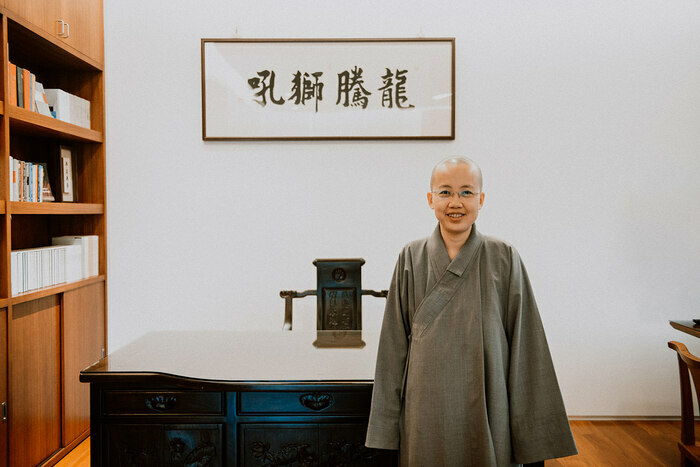
Interview with Bhikshuni Thubten Chodron
Document
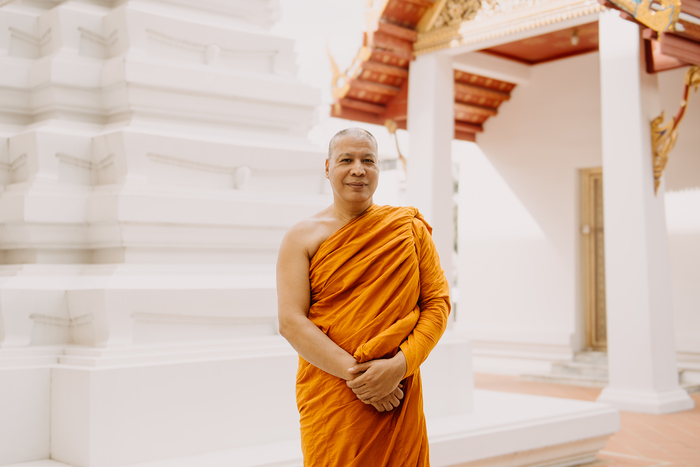
Interview with Phra Anil Sakya
Matt Lindén
Phra Anil Sakya discusses the nature of dukkha, the role of the five precepts, and the Buddhist approach to death.
Document
Interview with Geshe Tashi Tsering
Matt Lindén
Geshe Tashi Tsering explores the future of Buddhism, the meaning of renunciation, and how to deal with envy.
Latest Content
Keep up to date with our most recent additions.
Read more
Document
From Violence to Transformation in Buddhism and Islam
Dr. Mohamed Ashath (Ashath Siraas)
Buddhism and Islam both teach that even the most violent people are able to transform if they repent their past actions and change their ways.
Multi-Part
Reflecting on the Suffering in the Worse States of Samsaric Rebirth
Geshe Ngawang Dhargyey
In Buddhism the reflection on suffering is essential because it reveals the full extent of samsara and motivates a sincere wish for liberation.
Multi-Part
Facing Death Realistically
Geshe Ngawang Dhargyey
The lam-rim textual tradition emphasizes the importance of reflection on death at the beginning, in the middle and at the end of the spiritual path.
Top